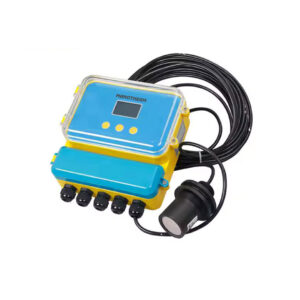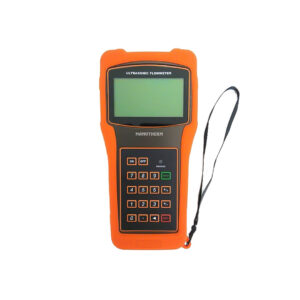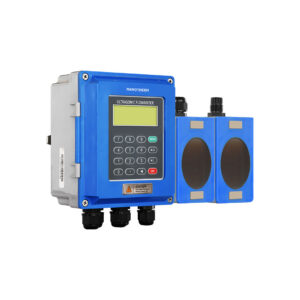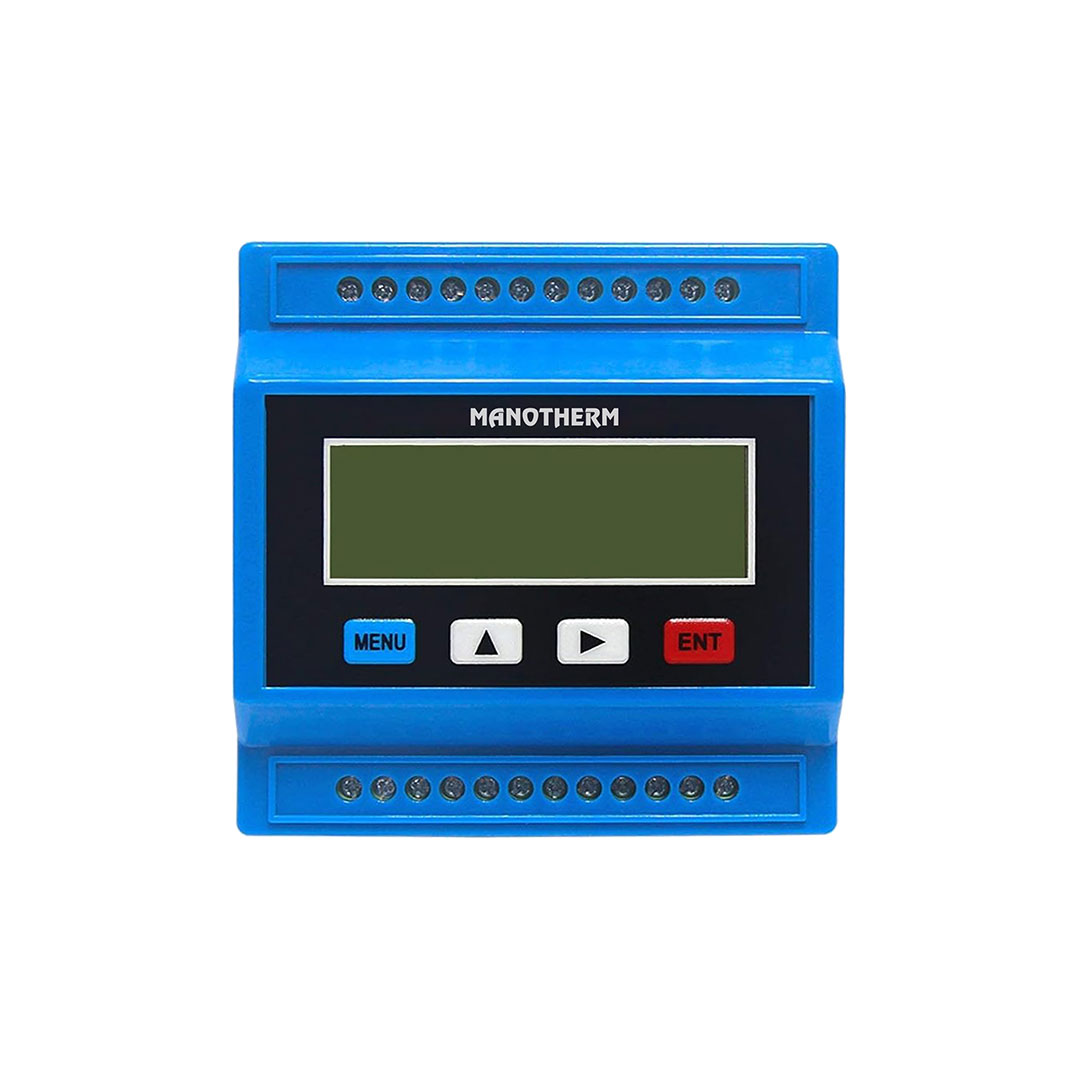

Description
1. Introduction to Ultrasonic Flow Module / RTU MT-F220UL
Ultrasonic Flow Module / RTU MT-F220UL is an advanced and versatile flow measurement solution designed for a wide range of industrial applications. This device operates based on the time-transit ultrasonic measurement principle, ensuring stable, accurate, and non-intrusive flow monitoring. The system is widely used in water supply, drainage, petrochemical, metallurgy, heating systems, and energy-saving projects. Its modular structure and RTU communication capabilities allow seamless integration with automation systems, SCADA, and industrial data acquisition networks.
As industries become more data-driven, precise and real-time monitoring of fluid flow becomes essential for maintaining efficiency, reducing operational costs, and preventing system failures. Ultrasonic Flow Module / RTU MT-F220UL is engineered to meet these demands by combining high accuracy, low power consumption, strong anti-interference performance, and broad compatibility with various pipe sizes and materials.
This text focuses on keyword optimization for the term Ultrasonic Flow Module / RTU MT-F220UL, making it suitable for SEO-based product pages, technical documentation, catalogs, and industrial marketing content.
2. Working Principle
The measurement technology used in Ultrasonic Flow Module / RTU MT-F220UL is based on the transit-time ultrasonic flow principle. The device sends ultrasonic signals upstream and downstream inside the pipe. By comparing the time difference between these signals, the system calculates the flow velocity of the liquid and converts it into volumetric flow rate. Because the measurement is non-intrusive and requires no pipeline cutting, the system maintains pipeline integrity and avoids pressure loss.
This technology enables high accuracy even in large industrial pipelines. Additionally, the module uses multi-pulse low-voltage excitation, significantly enhancing signal stability and measurement repeatability.
3. Key Features and Advantages
The device offers several performance benefits that make it suitable for both new installations and system upgrades.
-
Wide measuring range supported by multiple transducer types for different pipe diameters.
-
High reliability achieved through multi-pulse and low-voltage excitation, improving accuracy and extending device lifespan.
-
Strong anti-interference capability thanks to dual-signal balanced technology, ensuring stable operation in complex industrial environments.
-
Long-distance data transmission supported via RS-485, capable of transmitting signals over more than 1000 meters with twisted-pair cables.
-
Suitable for various industrial liquids, including clean water, wastewater, process liquids, oils, and chemical solutions.
-
Supports accumulation measurement, real-time flow monitoring, energy/heat calculation, and temperature input from Pt100 sensors.
-
Upgradable firmware via computer interface ensures adaptability to future system enhancements.
-
Can be integrated directly into industrial automation systems via MODBUS RTU communication protocol.
4. Typical Applications
Ultrasonic Flow Module / RTU MT-F220UL is used in a variety of industries due to its wide compatibility and durable design.
-
Water supply and drainage network flow control
-
Municipal pipeline monitoring and utility management
-
District heating and thermal energy measurement
-
Metallurgy and continuous casting water cooling systems
-
Petrochemical process fluid monitoring
-
Power plant and energy efficiency monitoring systems
-
HVAC and building energy management applications
These applications benefit from the device’s ability to measure flow without cutting pipes or disrupting operations, making it a cost-effective and efficient solution.
5. Technical Parameters Table
| Category | Specification |
|---|---|
| Measuring Principle | Transit-Time Ultrasonic Flow Measurement |
| Accuracy | ±1% |
| Operation | 4-keypad operation |
| Outputs | 4-20 mA output (1 channel), Pulse OCT output (1 channel), Relay output (1 channel) |
| Inputs | 4-20 mA (3 channels for temperature, pressure, level measurement) |
| Temperature Sensor Support | Pt100 for heat/energy measurement |
| Communication | RS-485 Insulated Interface, MODBUS Protocol |
| Pipe Material Compatibility | Stainless Steel, Carbon Steel, Cast Iron, PVC, Copper, Aluminum, Glass Steel, Cement |
| Pipe Diameter Range | DN15 to DN6000 |
| Straight Pipe Requirements | Upstream: ≥10D, Downstream: ≥5D, ≥30D from pumps |
| Operating Temperature (Transducer) | -30°C to +160°C |
| Operating Temperature (Converter) | -20°C to +60°C |
| Humidity | Converter: ≤85% RH |
| Waterproof Rating | IP67 for flow transducer |
| Underwater Installation | Allowed (sealed sensor, ≤2 meters depth) |
6. Installation Conditions
The installation of the Ultrasonic Flow Module / RTU MT-F220UL requires correct positioning to ensure measurement accuracy. The transducers must be mounted on straight sections of the pipeline where turbulence is minimal. Upstream, a distance of at least 10 pipe diameters is recommended, and downstream, a minimum of 5 pipe diameters should be maintained. If the sensor is close to a pump outlet, the upstream straight length must be extended to approximately 30 pipe diameters.
Pipe surfaces should be clean, free of rust, and smooth for proper ultrasonic transmission. The device is suitable for pipes with liners, provided the liner material transmits ultrasonic waves effectively.
7. Environmental Working Conditions
The flow transducer can operate under a wide temperature range from -30°C to 160°C, making it suitable for harsh industrial environments. The main converter operates within -20°C to 60°C and can withstand up to 85% humidity. For submerged use, the sealed transducer supports installation in water up to 2 meters deep.
These durability features ensure that the Ultrasonic Flow Module / RTU MT-F220UL remains reliable in outdoor, underground, and high-temperature industrial environments.
8. Conclusion
Ultrasonic Flow Module / RTU MT-F220UL is an intelligent, reliable, and flexible flow measurement solution ideal for modern industrial systems. Its strong anti-interference ability, wide measurement range, high accuracy, and compatibility with various pipe materials make it a preferred choice in complex industrial environments. The device supports seamless communication and integration with industrial automation networks, providing real-time measurement and enabling smart monitoring and energy efficiency optimization.