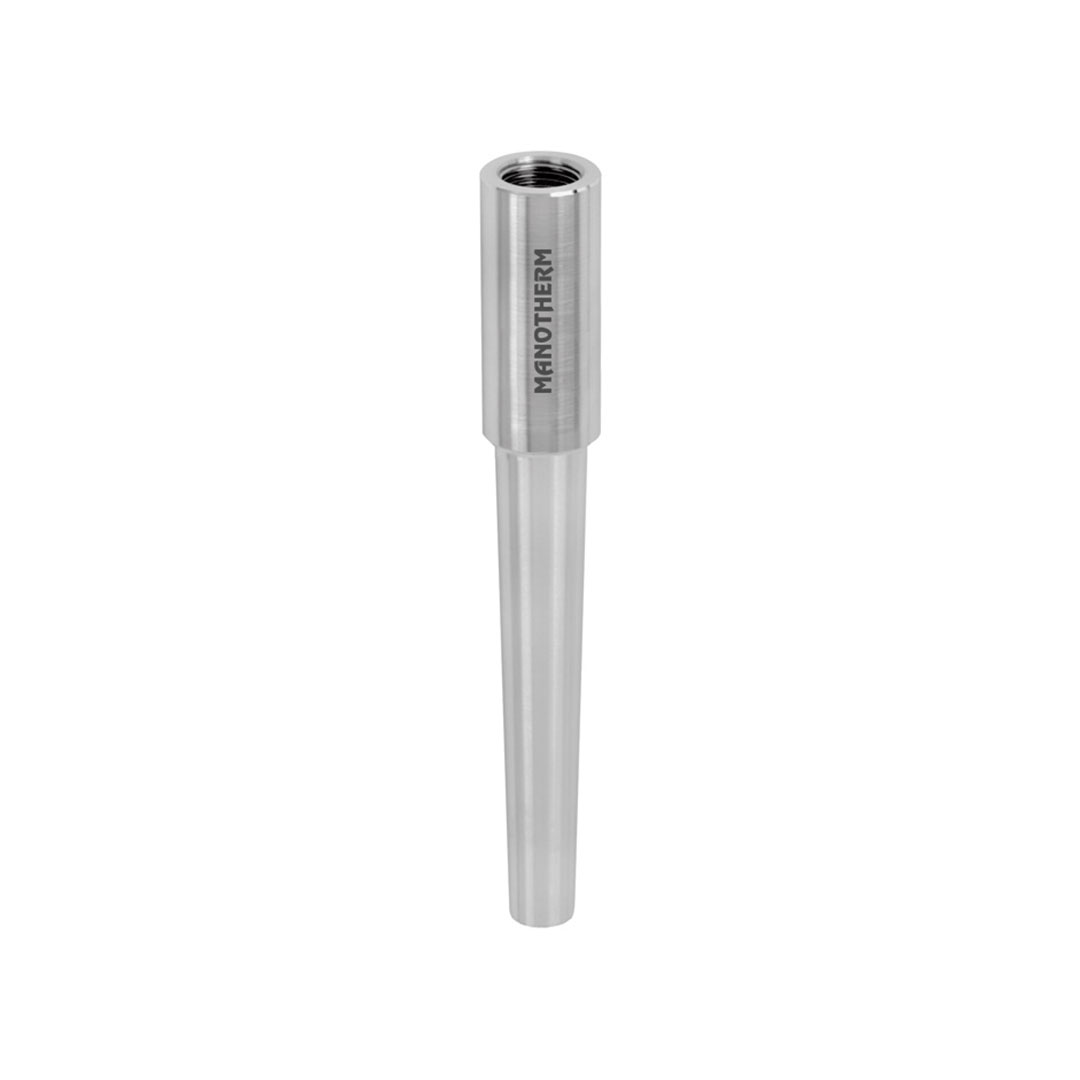

Description
1. Introduction to Weld-in Thermowell MT-W100SW
The Weld-in Thermowell MT-W100SW is a high-strength temperature sensor protection device designed for industrial environments where durability, accuracy, and resistance to harsh media are essential. Thermowells act as protective housings for temperature measurement instruments such as RTDs, thermocouples, and bimetal thermometers, ensuring the sensor does not come into direct contact with process fluids, gases, or pressure. This helps maintain instrument longevity, process safety, and reliability of temperature readings.
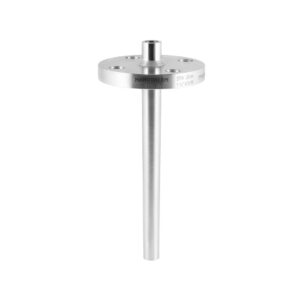
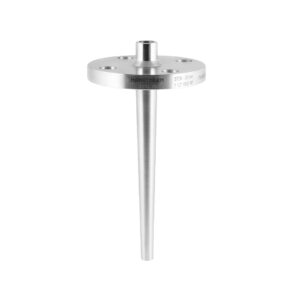
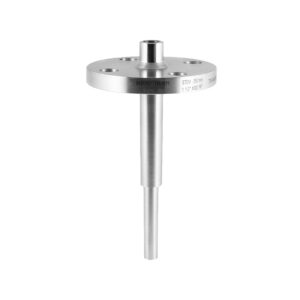
The Weld-in Thermowell MT-W100SW is engineered with a solid drilled stock-bar construction, providing superior mechanical integrity compared to welded or fabricated designs. This model features a tapered shank form, improving resistance to vibration and reducing the effect of vortex-induced stress. The socket-weld or weld-in process connection provides a permanent and leak-resistant installation, making it suitable for high-pressure and high-temperature operation environments.
This type of thermowell is widely used in oil and gas production systems, power generation plants, petrochemical pipelines, corrosive processing systems, and both offshore and onshore industrial installations. Its structure and material composition make it one of the most reliable solutions for temperature measurement in demanding conditions.
2. Structural and Manufacturing Characteristics
The Weld-in Thermowell MT-W100SW is constructed from SS 316 AISI stainless steel, known for its excellent corrosion resistance, strength, and durability. Since this thermowell is machined from solid bar stock, it has no welded joints along its length, eliminating potential weak points and ensuring robustness under continuous stress.
The tapered shank provides improved flow efficiency and reduces exposure to turbulent forces. This is particularly important in high-velocity pipelines where vibration fatigue can cause thermowell failure. The thickness of the tip and root diameter are selected based on application conditions, ensuring a safe balance between thermal response time and structural strength.
The weld-in connection creates a permanent attachment to the pipeline or vessel, minimizing leak risk and making it suitable for hazardous and flammable media where sealing integrity is critical. It is typically installed during pipe assembly or shut-down maintenance work.
3. Application Areas and Industrial Use Cases
The Weld-in Thermowell MT-W100SW is used across a wide range of industrial sectors, especially where process reliability and system safety are paramount:
-
Gas & Oil Industry
Used in pipelines, separators, compressor stations, refineries, and oil production wells for continuous temperature monitoring. -
Corrosive Environments
Suitable for chemical processing units where fluids or vapors may contain acids, chlorides, salts, or hydrocarbons. -
Offshore and Onshore Applications
Used in marine drilling platforms, FPSO systems, coastal refineries, and land-based petroleum processing plants. -
Utility & Power Industries
Ideal for boilers, turbine systems, condensers, and steam distribution networks. -
Process Heating and Cooling Systems
Helps maintain stable monitoring in heat exchangers and industrial cooling loops.
Because the thermowell isolates the sensor from extreme process conditions, the measurement instrument remains protected even when exposed to high temperatures, vibration, pressure fluctuations, or chemically aggressive media.
4. Performance Benefits and Operational Advantages
The Weld-in Thermowell MT-W100SW provides several critical performance advantages that support long-term industrial performance:
-
High Strength and Durability
Solid drilled construction prevents cracking, fatigue, and failure under dynamic pressure conditions. -
Optimal Vibration Resistance
The tapered shank design minimizes vortex-induced vibration effects and extends thermowell life. -
Superior Corrosion Resistance
SS 316 AISI material ensures protection against corrosion caused by chemicals, seawater, and petrochemical by-products. -
Enhanced Safety and Leak Prevention
The weld-in connection produces a sealed and permanent installation, preventing leakage of hazardous media. -
Improved Measurement Reliability
The thermowell shields the sensor from harsh flow conditions, enabling stable temperature readings across extended periods. -
Simple Sensor Replacement
Sensors can be removed and replaced without disturbing the thermowell or interrupting process flow.
These advantages make the MT-W100SW a preferred choice for continuous industrial operation where safety and uptime are priorities.
5. Technical Specifications
| Parameter | Specification |
|---|---|
| Shank Form | Tapered |
| Material | SS 316 AISI |
| Instrument Connection | ½” NPT (F) |
| Bore Diameter | 7 mm |
| Lag Extension | 50 mm |
| Tip Thickness | 5 mm |
| Customization | Root Diameter, Tip Diameter, Immersion Length (Based on order) |
| Process Connection | Weld-in / Socket-Weld Type |
This configuration ensures compatibility with most industrial temperature sensors, pipe diameters, and process system requirements.
6. Installation and Maintenance Guidelines
Installing the Weld-in Thermowell MT-W100SW requires careful preparation to ensure safety and measurement accuracy:
-
Verify pipe material and compatibility before welding.
-
Perform proper alignment and positioning, ensuring correct immersion depth into the fluid or gas stream.
-
Use appropriate welding procedure specifications (WPS) and preheat if required.
-
After welding, pressure testing and visual inspection must be conducted.
-
Insert the temperature sensor after the system is sealed and ready for operation.
Maintenance involves periodic inspection of weld integrity, checking for corrosion signs, and replacing only the sensor as needed—no removal of the thermowell is required.
7. Conclusion
The Weld-in Thermowell MT-W100SW is engineered to provide long-lasting protection and accurate temperature measurement, making it ideal for harsh industrial environments such as oil refineries, chemical processing plants, and power generation systems. With its solid bar construction, corrosion-resistant material, vibration-resistant tapered design, and secure weld-in installation, it delivers high reliability and operational safety.
This thermowell ensures that temperature monitoring systems remain precise, stable, and dependable, even under extreme operating conditions—making it a crucial component for modern industrial process control.