
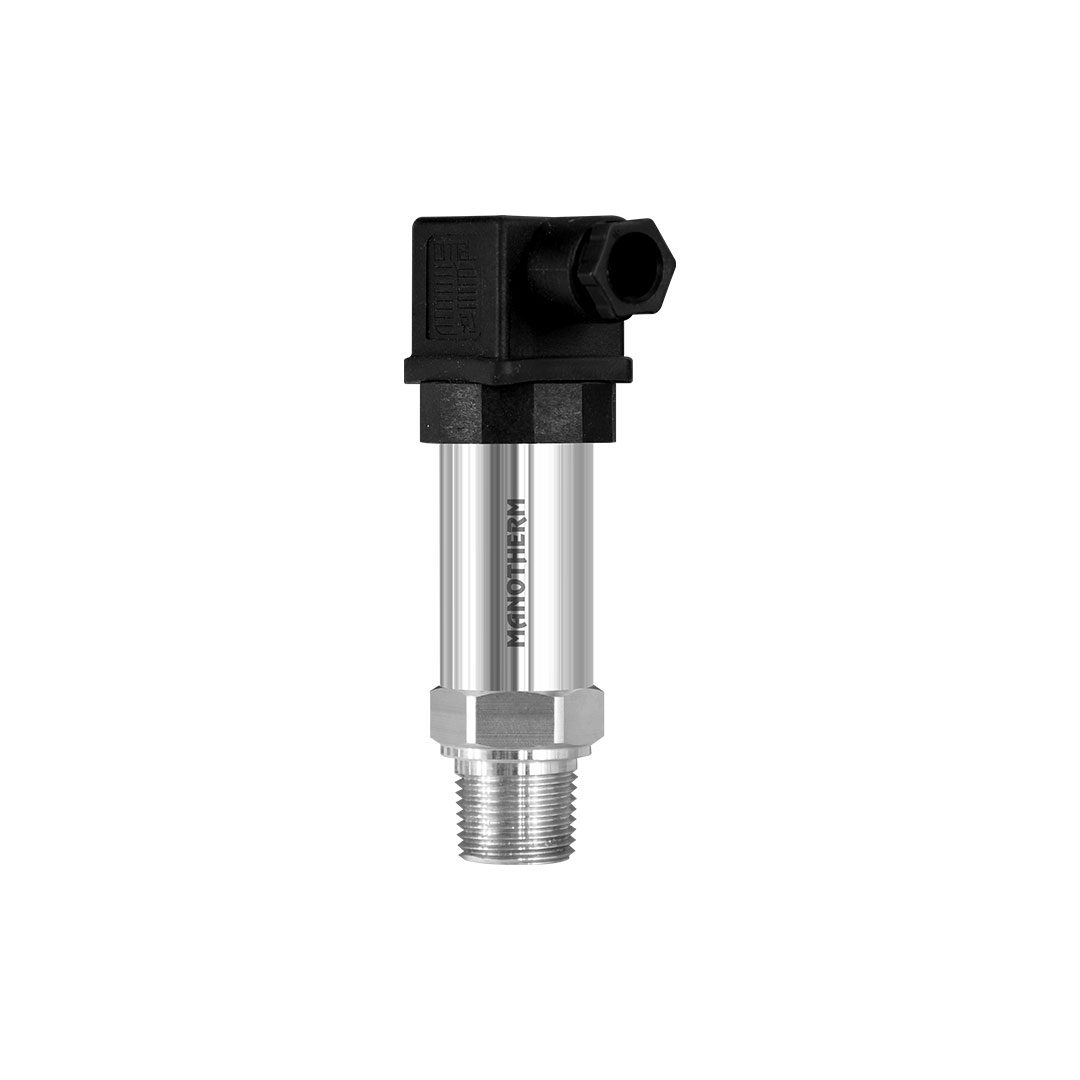

Description
1. Introduction to Pressure Sensor MT-P100TR
Pressure Sensor MT-P100TR is an advanced and highly reliable pressure transmitting device designed for precise pressure measurement in various industrial applications. This model utilizes a diffused silicon pressure sensing element, ensuring fast response, high accuracy, and long-term operational stability. MT-P100TR is widely used in process control systems, aerospace components, automotive manufacturing, medical equipment, HVAC systems, and pipeline networks.
Engineered with an all-stainless-steel structure, including an SS 316L diaphragm, the Pressure Sensor MT-P100TR offers excellent corrosion resistance and mechanical strength, making it suitable for harsh and demanding environments. Its compact size, light weight, and robust performance make it a preferred choice for industrial automation and intelligent monitoring systems.
2. Key Structural Features and Materials
One of the defining characteristics of the Pressure Sensor MT-P100TR is its full stainless-steel construction. The SS 316L diaphragm ensures durability and exceptional compatibility with a wide range of media, including corrosive fluids and gases.
-
All Stainless Steel Housing: Enhances durability and long operational life.
-
SS 316L Diaphragm: Offers superior corrosion resistance and stability.
-
Small Size and Lightweight: Facilitates easy installation in compact industrial systems.
-
Anti-Interference Protection: Ensures stable output even in environments with electromagnetic noise.
This robust structure ensures reliable performance even under high vibration, thermal stress, pressure fluctuations, and challenging field conditions.
3. Working Principle and Signal Conversion
The Pressure Sensor MT-P100TR uses a diffused silicon pressure sensing element to detect pressure changes. The sensor converts the mechanical deformation produced by pressure into a millivolt electrical signal.
This signal is processed through an internal ASIC module, which amplifies and converts it into a standard transmission signal, typically 4~20mA or voltage outputs.
This allows for:
-
Long-distance signal transmission
-
Direct integration with PLC, DCS, SCADA, and intelligent meters
-
Stable data acquisition and control feedback loops
This makes Pressure Sensor MT-P100TR ideal for automation and real-time process monitoring.
4. Advantages of Using Pressure Sensor MT-P100TR
The Pressure Sensor MT-P100TR provides several operational advantages:
-
High Accuracy (0.5% FS) ensures precise measurement for critical control systems.
-
Excellent Repeatability and Hysteresis guarantee consistent performance over time.
-
Long-Term Stability (±0.2% FS/year) reduces recalibration and maintenance frequency.
-
Vibration and Shock Resistance meets IEC 60068 standards, suitable for mobile and rotating machinery.
-
Compact and Lightweight Design makes it easy to install in tight spaces.
-
Corrosion-Resistant SS316L ensures compatibility with aggressive process media.
These advantages contribute to stable long-term operation in both laboratory settings and industrial production fields.
5. Applications of Pressure Sensor MT-P100TR
Pressure Sensor MT-P100TR is used in a variety of industries due to its durability, reliability, and adaptability:
-
Process Control Systems: For monitoring flow, pressure, and stability in production lines.
-
Aerospace Engineering: Used in aviation hydraulic and fuel systems.
-
Automobile Industry: Applied in engine pressure management and electronic brake systems.
-
Medical Equipment: Suitable for oxygen supply systems, blood pumps, and surgical ventilators.
-
Pipeline and Fluid Transportation Systems: Ensures stable monitoring of pipeline pressure.
-
HVAC Systems: Used in climate control systems requiring continuous pressure feedback.
The flexibility of MT-P100TR makes it an ideal choice for multi-field industrial integration projects.
6. Technical Performance Specifications
Below are the primary specifications of the Pressure Sensor MT-P100TR:
| Parameter | Specification |
|---|---|
| Pressure Range | 0~0.35 to 600 bar |
| Pressure Reference | Gauge / Absolute / Sealed Gauge |
| Accuracy | 0.5% FS |
| Hysteresis | 0.1% FS |
| Repeatability | 0.1% FS |
| Temperature Drift | ±2% FS (0.35bar range), ±1.5% FS (other ranges) |
| Response Time | ≤1 ms (90% FS) |
| Service Life | ≥10×10⁶ pressure cycles |
| Long-Term Stability | ±0.2% FS/year |
| Ambient Temperature | -20°C to +85°C |
| Storage Temperature | -40°C to +125°C |
| Protection Grade | IP65 |
| Media Compatibility | Fluids compatible with SS316L |
| Explosion-Proof | Exia CT6 (4–20mA models) |
| Weight | ~209 g |
These technical characteristics ensure high reliability, even in continuous operation environments.
7. Installation and Integration Recommendations
To achieve optimal performance when using Pressure Sensor MT-P100TR, consider the following:
-
Ensure proper sealing when connecting to pipeline systems.
-
Avoid excessive bending or twisting of connection cables.
-
Calibrate in accordance with system configuration to avoid offset output errors.
-
Install away from direct high-temperature heat sources.
-
Use shielded cables to reduce interference in high electromagnetic environments.
Correct installation increases efficiency, extends lifespan, and maintains output accuracy.
8. Conclusion
Pressure Sensor MT-P100TR offers advanced sensing technology, long-term stability, high measurement accuracy, and excellent environmental resistance, making it a superior solution for industries requiring precise pressure monitoring. Its SS316L diaphragm structure, compact design, shock resistance, and compatibility with industrial control systems make it ideal for process control, aerospace, automotive, medical, and pipeline applications.
For industries seeking durability, reliability, and precision in harsh working environments, Pressure Sensor MT-P100TR stands as a professional, efficient, and cost-effective solution.